The problem

The problem

A growing problem for the ecosystem and infrastructure

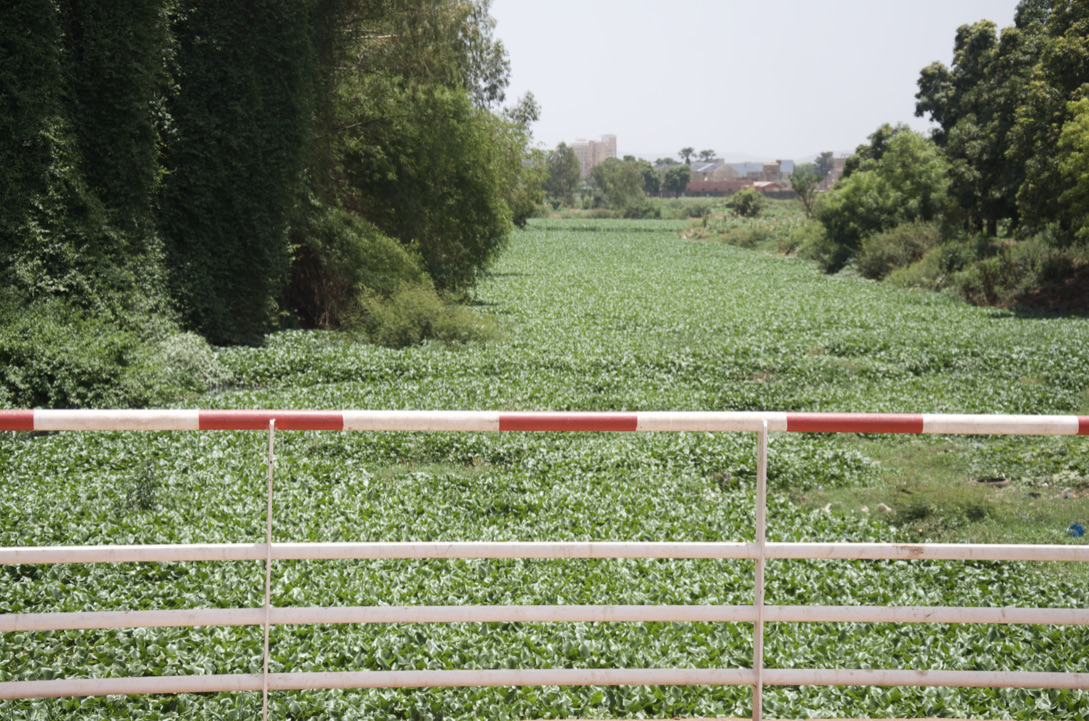
In parts of Ghana, waterways, the ecosystem, and vital infrastructure are threatened by invasive aquatic plants. On Lake Volta, these plants grow without natural enemies and can double their biomass in a few days.

What begins as an ecological problem quickly develops into an economic and societal challenge.
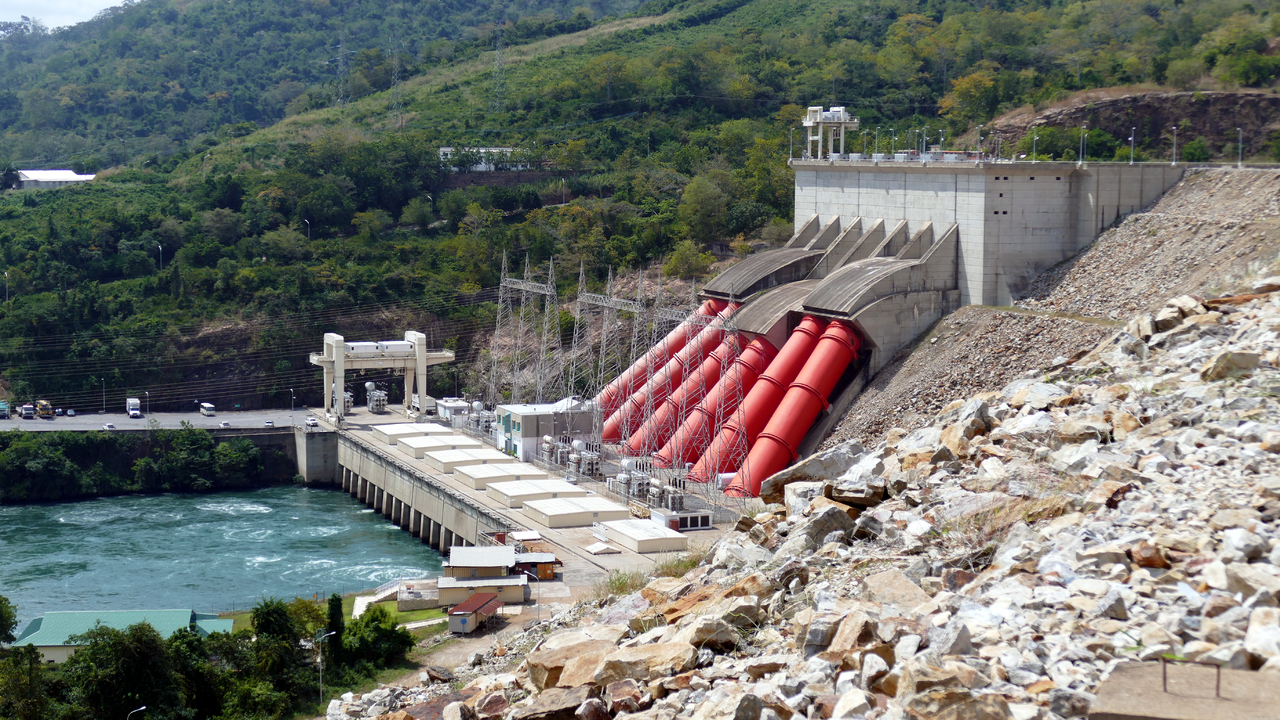
The challenge

A plague that keeps reinforcing itself

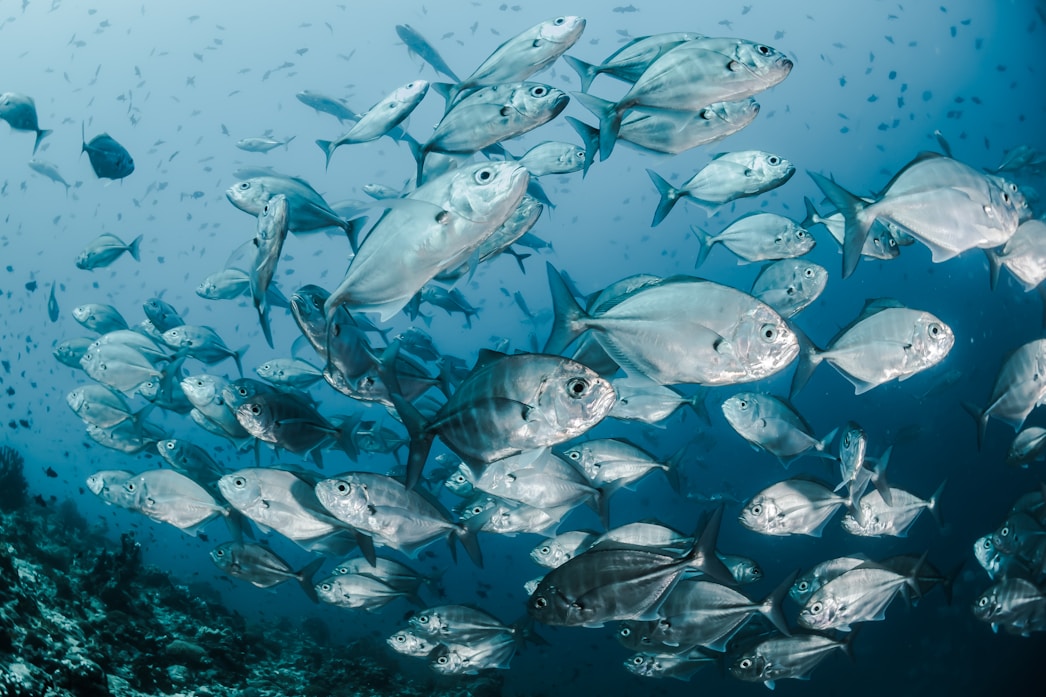
The dense plant mats block sunlight and lower the oxygen level in the water. As a result, fish disappear, biodiversity decreases, and the natural balance is disrupted.

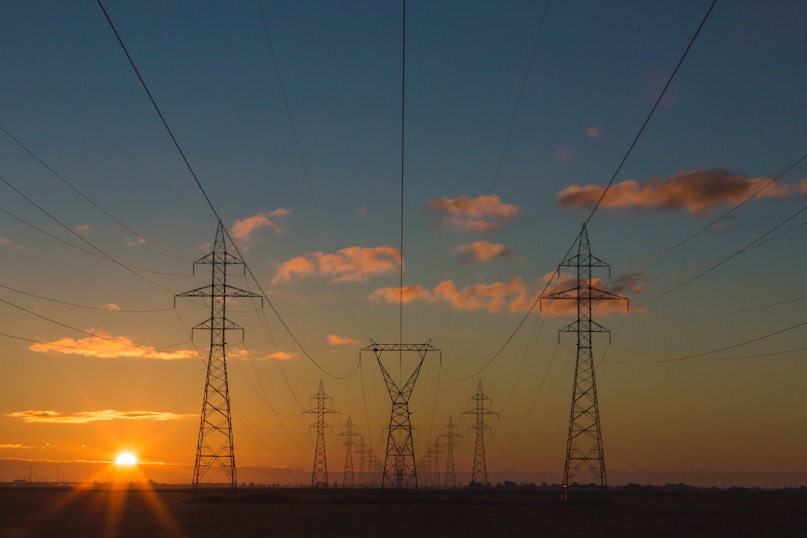
At the same time, waterways, irrigation systems, and energy infrastructure are becoming increasingly difficult to access. Local communities, fishermen, and farmers are experiencing the direct consequences of this.

The context

More than a local problem

Lake Volta is one of the largest artificial lakes in the world and plays an important role in the energy supply, food production, and economic development of Ghana.

When invasive aquatic plants continue to spread, not only the ecology comes under pressure, but also the economic value of the area.

The problem

Why existing solutions fall short

Mechanical removal, chemical control, and biological solutions are applied worldwide, but usually do not offer a structural answer.

The biomass remains present in the system, allowing nutrients to return to the water and generating new growth. As a result, control remains dependent on ongoing investments and temporary programs.

The result: high costs, limited impact, and a recurring problem.

The solution

A structural solution requires economic value

As long as invasive biomass is viewed exclusively as waste, control remains a cost.

River Blueprint opts for a different approach: the biomass is not removed to disappear, but processed into valuable products that make the solution financially self-sufficient.

The project

Where invasive aquatic plants create new value

In Akosombo, Ghana, River Blueprint is developing an operational biogas plant that converts invasive aquatic plants into electricity, organic fertilizers, and carbon credits. The project combines physical energy assets, multiple revenue streams, and proven technology within a professionally structured investment framework.

Secret Link