Solution

THE SOLUTION

From invasive biomass to circular energy

River Blueprint developed an integrated system in which invasive aquatic plants are converted into electricity, organic fertilizers, and carbon credits.

This creates a model in which ecological restoration is directly linked to economic value creation.
How the system works

What is waste to another …
… is a raw material for us.

What is waste to others is a raw material to us. In four steps, we transform a growing problem into energy, bio-fertilizer, and impact.

Harvesting

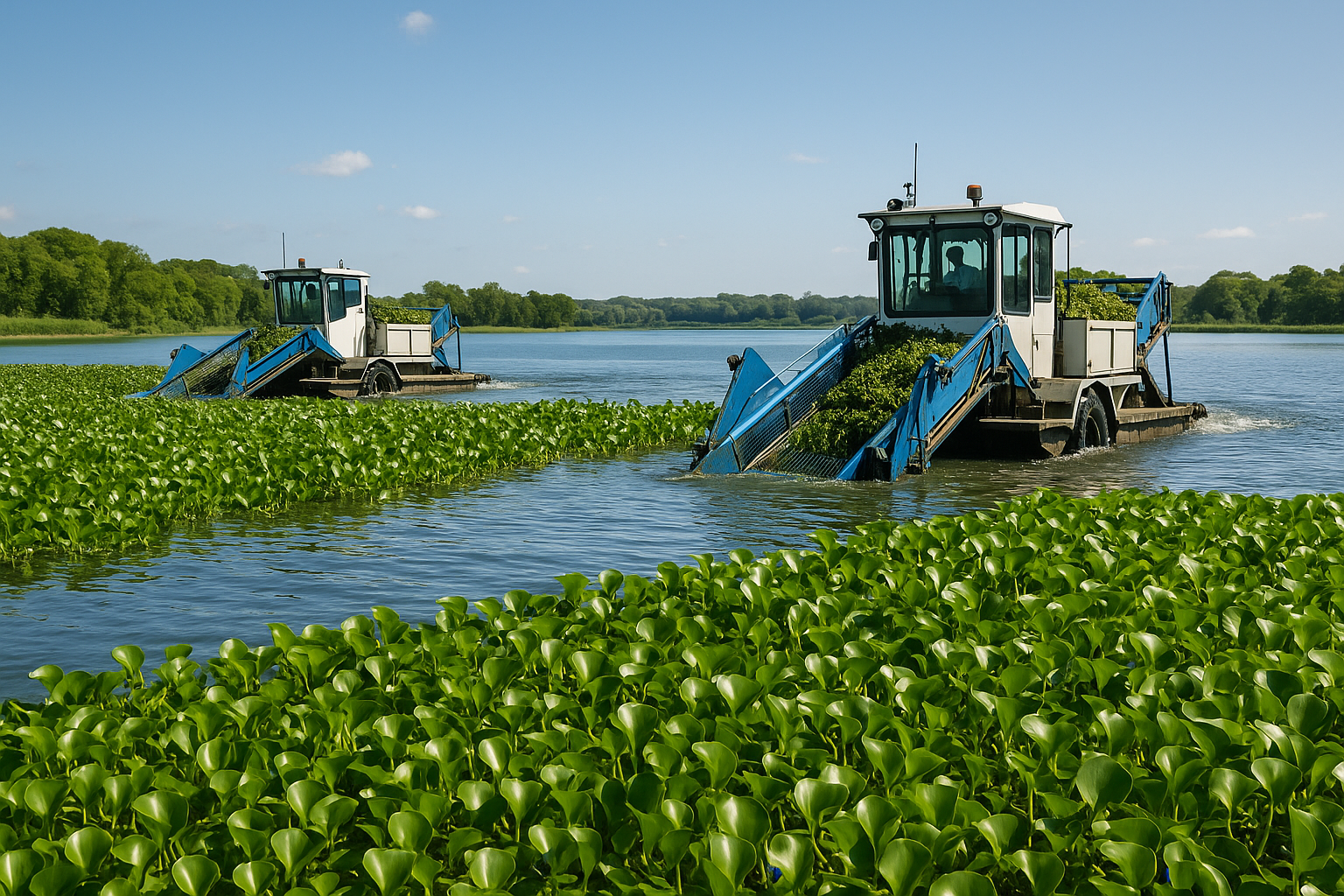
Invasive aquatic plants are removed from Lake Volta daily. The biomass is immediately transported for processing, ensuring it does not return to the ecosystem.

Fermentation

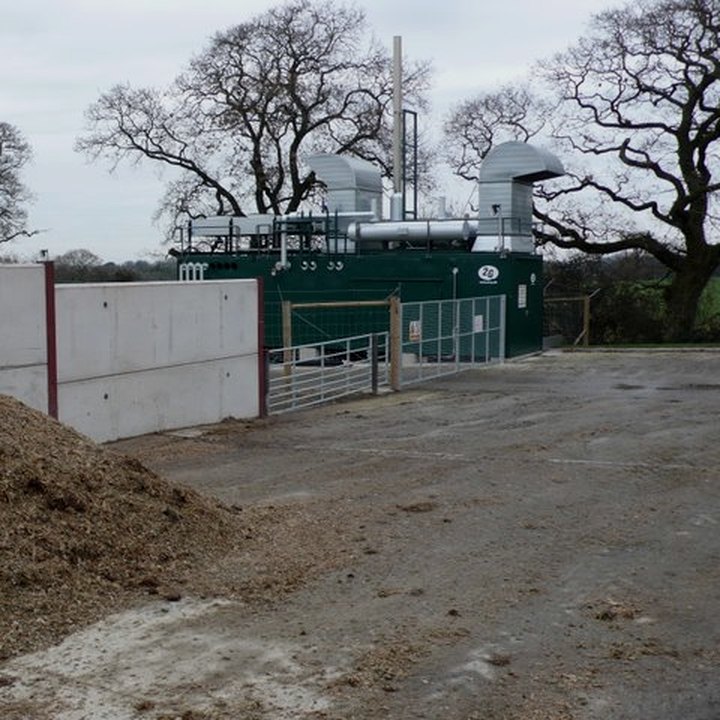
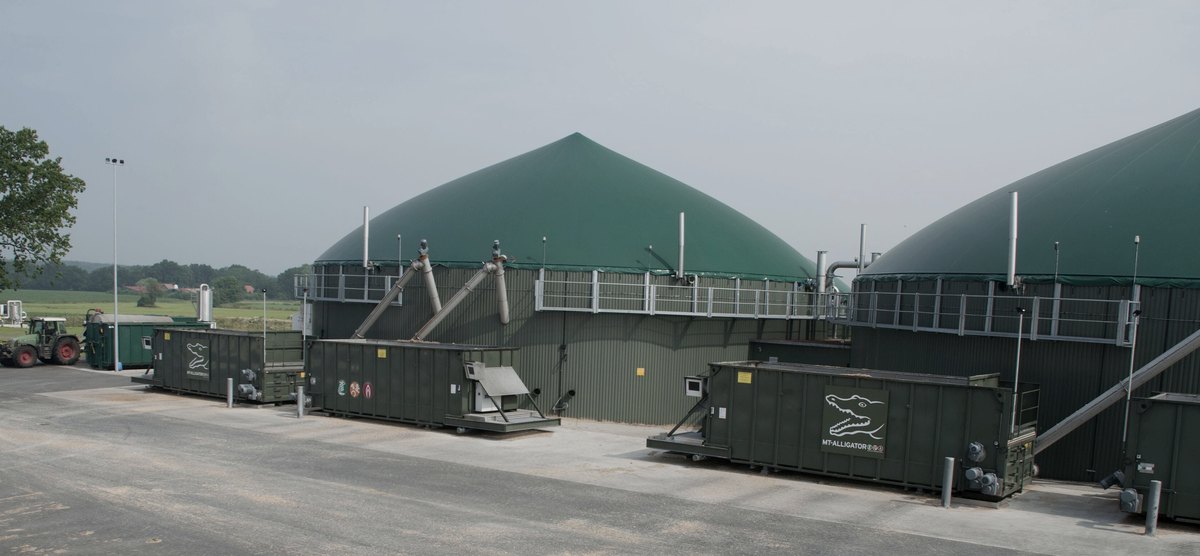
In closed reactors, biomass is processed via anaerobic digestion. This produces biogas, which is used for energy production.

Producing energy

The biogas is converted into green electricity for Ghana’s national electricity grid.

Valorizing residual streams

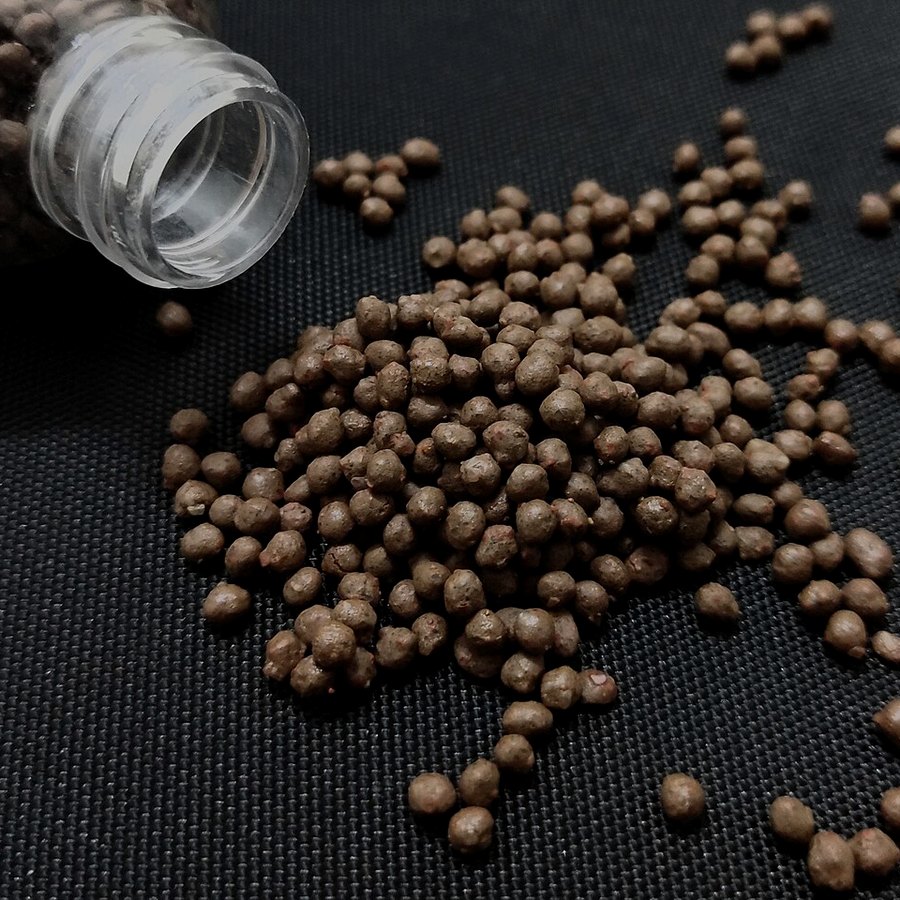
After fermentation, valuable nutrients remain. These are processed into organic NPK fertilizer for the agricultural sector. In addition, CO₂ reduction is achieved, which can be converted into carbon credits.

A self-financing model

The difference compared to traditional control programs is that the system creates economic value.

The revenues from electricity, fertilizers, and carbon credits make it possible to continue harvesting and processing in the long term without being dependent on ongoing subsidies.

Proven technology

The project uses anaerobic digestion technology specifically suitable for digesting biomass with a high lignin and cellulose content.

River Blueprint combines this proven technology with an innovative application of invasive biomass as a raw material.

From cost item to raw material

Whereas invasive aquatic plants are primarily viewed as an ecological problem today, River Blueprint sees a sustainable raw material for energy, agriculture, and climate solutions.

Secret Link